
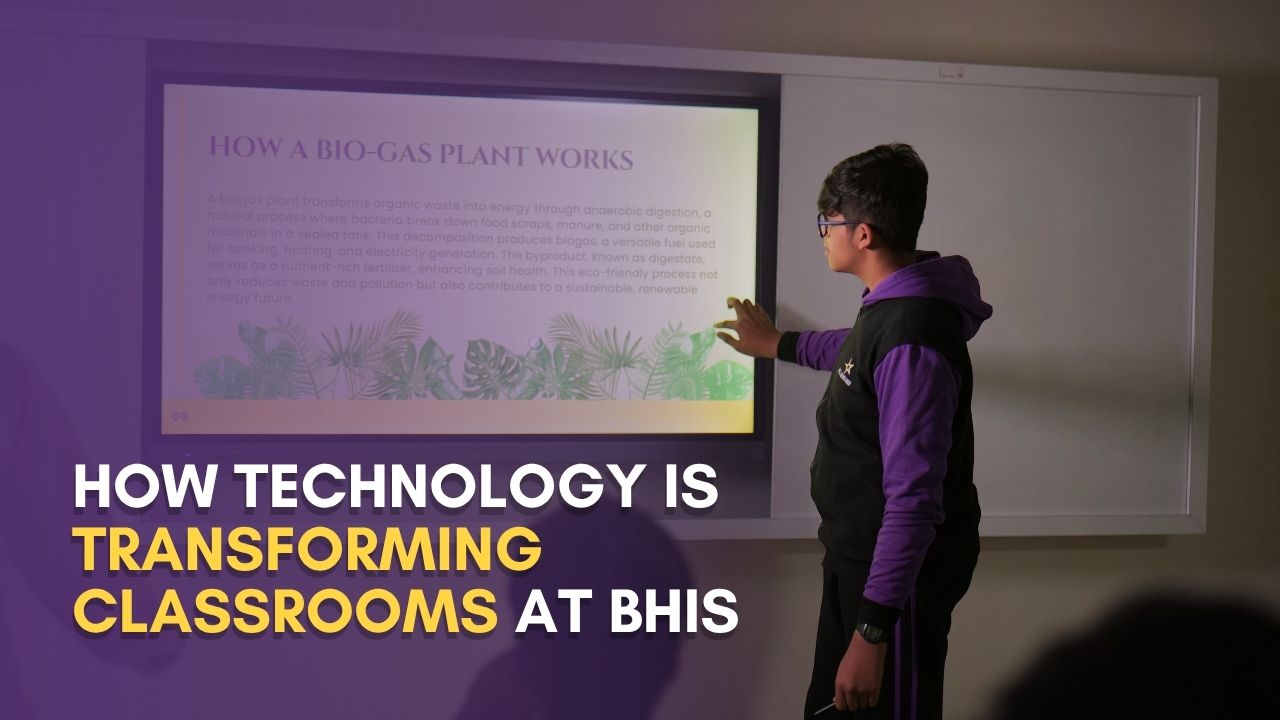
Education is evolving rapidly, and technology is playing a central role in redefining how students learn and teachers teach. In modern classrooms, learning is no longer limited to textbooks and blackboards. At Billabong High International School, Noida (BHIS Noida), technology is thoughtfully integrated into everyday learning to create engaging, interactive, and future-ready educational experiences.
Smart Classrooms for Interactive Learning
Traditional lectures are being replaced with dynamic digital lessons. Smart boards, multimedia presentations, and audio-visual tools make complex concepts easier to understand.
At BHIS Noida, interactive classroom technology helps students:
- Visualize abstract concepts
- Engage in real-time discussions
- Participate actively in lessons
- Learn through videos, simulations, and animations
This approach enhances retention and makes learning more enjoyable.
Personalized Learning Experiences
Every child learns differently. Technology enables teachers to adapt lessons according to individual learning styles and pace.
Digital tools and learning platforms allow:
- Customized assignments
- Instant feedback on assessments
- Self-paced revision modules
- Data-driven progress tracking
This ensures that students receive targeted support where they need it most.
Enhancing Research and Critical Thinking
Access to digital resources expands learning beyond textbooks. Students at BHIS are encouraged to conduct online research, analyze information from multiple sources, and present their findings creatively.
This develops:
- Independent learning habits
- Analytical thinking
- Information evaluation skills
- Academic writing and presentation abilities
These skills are essential for higher education and global competitiveness.
Collaboration Beyond Classroom Walls
Technology enables collaboration not only within the classroom but also across locations. Digital communication tools allow students to work on group projects, share ideas, and engage in discussions efficiently.
Such exposure prepares students for modern work environments where teamwork often happens virtually.
Integration of STEM and Innovation
Technology-driven learning supports STEM (Science, Technology, Engineering, and Mathematics) education. Through robotics activities, coding basics, and innovation-based projects, students gain hands-on experience with modern tools.
This practical exposure builds problem-solving skills and encourages creativity, preparing students for future careers in emerging fields.
Improved Assessment and Feedback Systems
Digital assessments streamline evaluation processes and provide immediate feedback. Teachers can track performance patterns and identify areas that require improvement.
Students benefit from:
- Clear performance insights
- Faster result analysis
- Continuous progress monitoring
This structured approach strengthens academic outcomes.
Promoting Digital Responsibility
While technology offers many advantages, responsible usage is equally important. BHIS Noida emphasizes digital literacy, teaching students about online safety, ethical use of information, and balanced screen time.
This ensures students develop healthy and informed technology habits.
Preparing Students for a Digital Future
In a world driven by innovation and digital transformation, technological fluency is essential. By integrating advanced tools with strong academic foundations, BHIS Noida ensures students are not just consumers of technology but confident and capable creators.
Conclusion
Technology is not replacing teachers, it is empowering them. At Billabong High International School, Noida, technology enhances engagement, personalization, collaboration, and innovation in classrooms.
By embracing digital advancements responsibly and effectively, BHIS prepares students to succeed in higher education and thrive in an increasingly technology-driven world.